
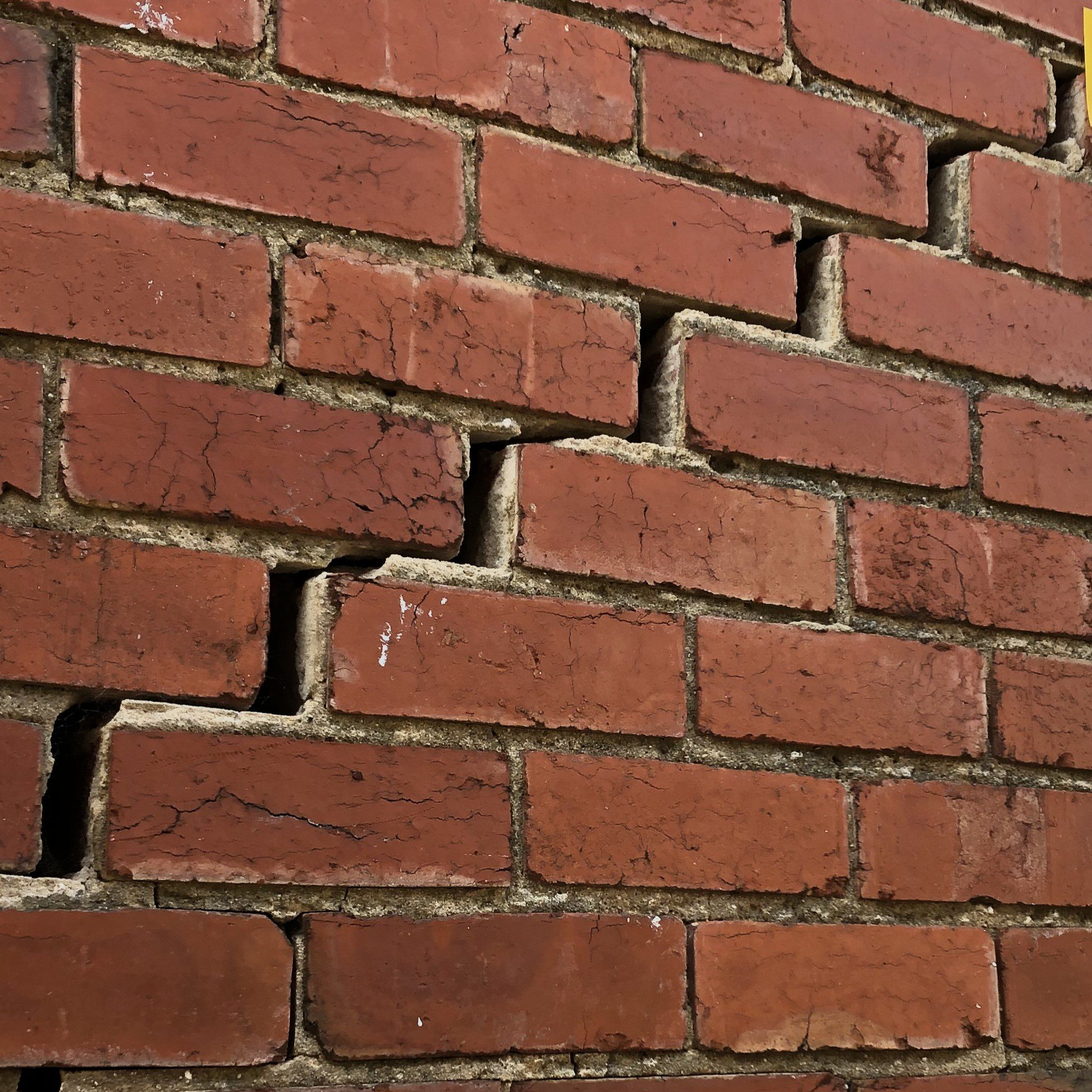
Problems We Solve
Rising Damp and Salt Attack
Damp patches, peeling paint, white salt deposits and crumbling mortar near the base of a wall can indicate that moisture is moving through the masonry.
Rising damp occurs when moisture from the ground travels upwards through brickwork and mortar. This can happen when the damp-proof course is missing, deteriorated, damaged or no longer providing an effective barrier.
As the moisture moves through the wall, it can carry dissolved salts into the masonry. When the wall begins to dry, these salts may be left behind as white deposits or crystallise within the bricks and mortar, contributing to deterioration commonly referred to as salt attack.
The important part is confirming where the moisture is coming from before deciding how it should be treated.
Could Rising Damp be affecting my home?
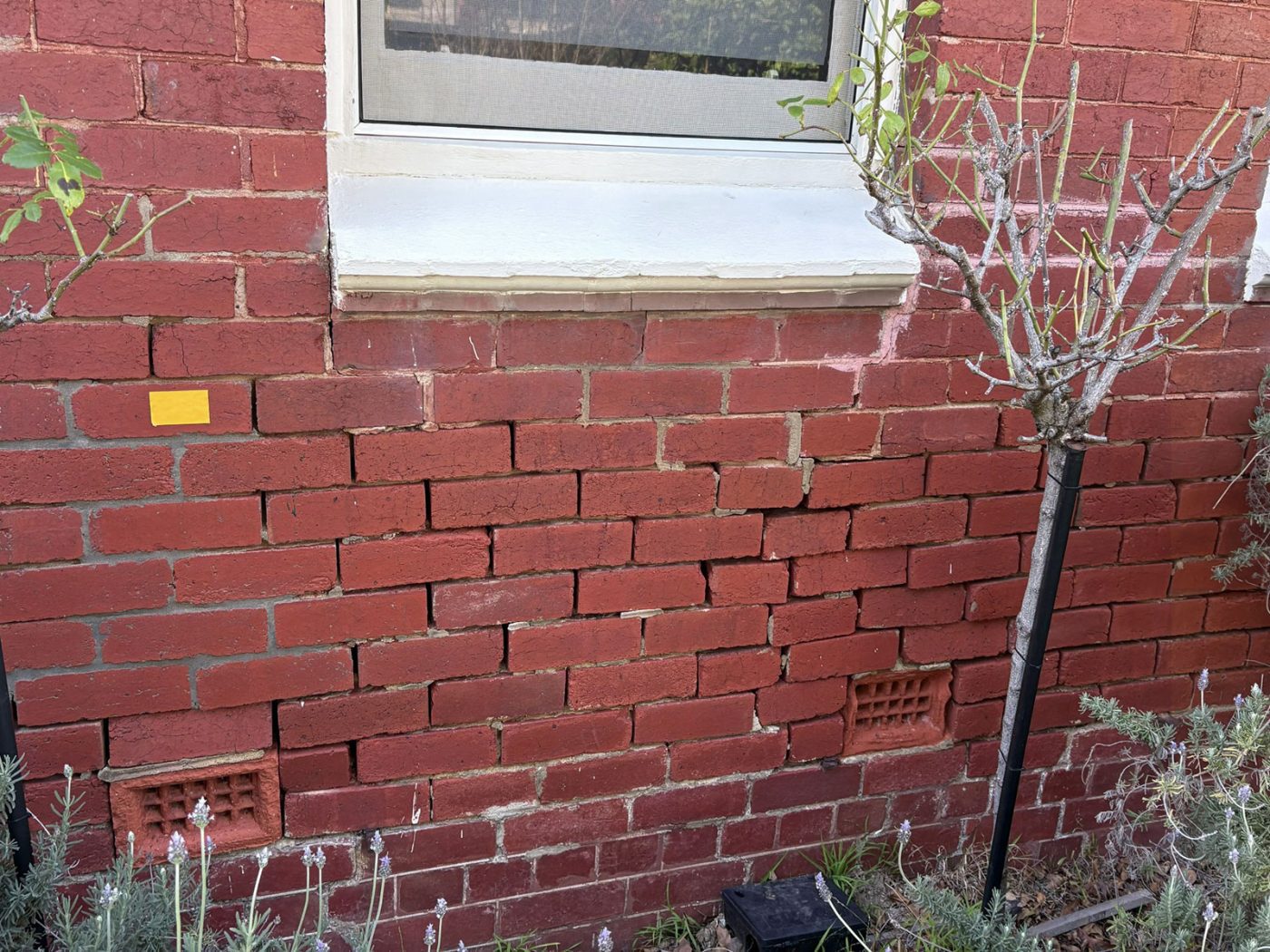
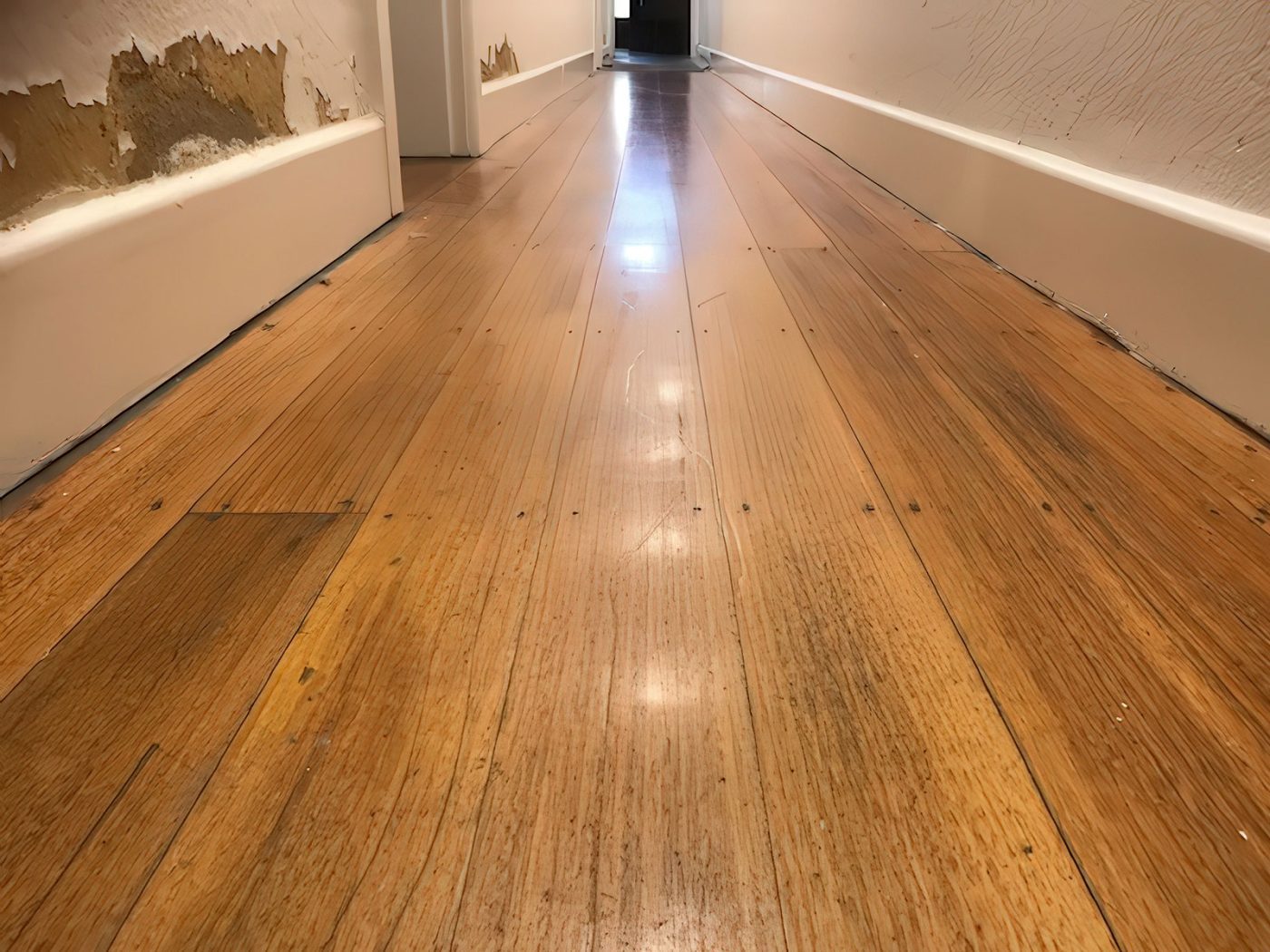
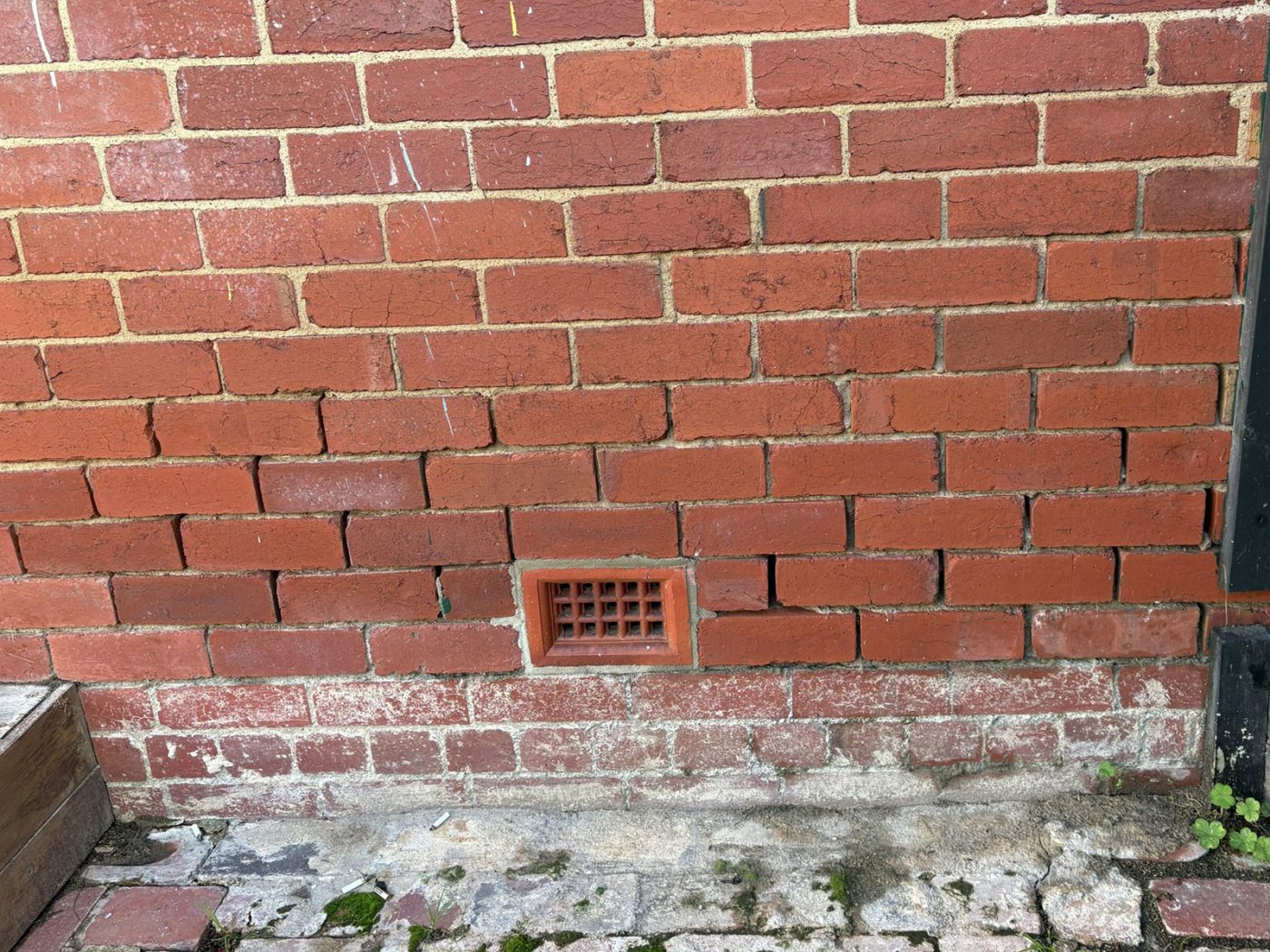
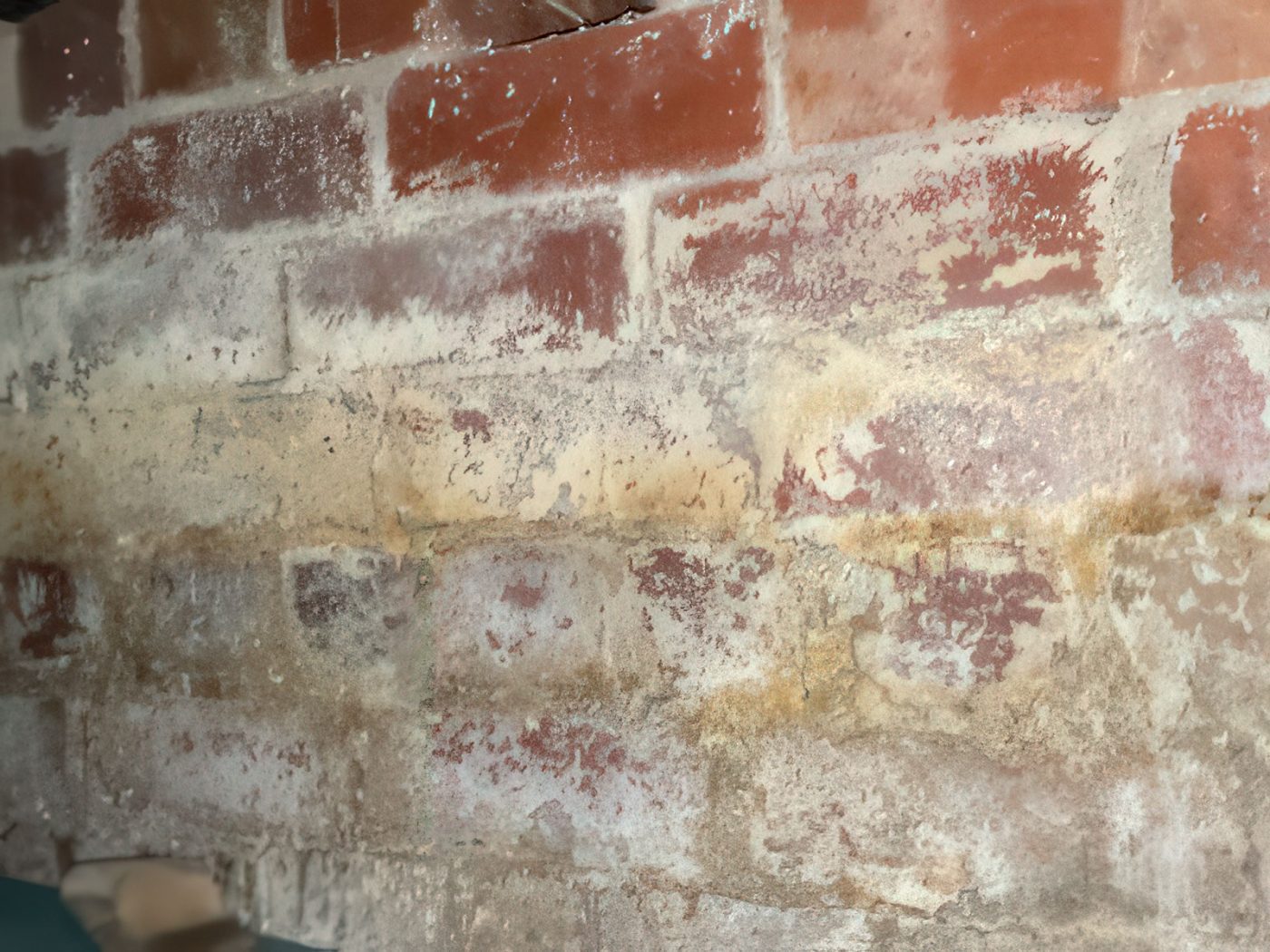
The first signs often appear near the base of a wall. Indoors, you may notice peeling paint, bubbling plaster, discolouration or a persistent musty smell. Outside, white powdery deposits known as salt efflorescence may appear across bricks and mortar. Crumbling mortar or brick faces beginning to flake and break away may indicate deterioration caused by salt attack.
These visible symptoms can be connected. Moisture moving through masonry can carry dissolved salts into the wall. As the moisture evaporates, the salts are left behind and may gradually damage the surrounding bricks, mortar, plaster and painted finishes.
Rising damp is one possible source, but similar damage can also result from poor drainage, high external ground levels, plumbing leaks or other forms of water ingress. Identifying where the moisture is coming from is important before repairing the affected surfaces.
What are the signs of Rising Damp?
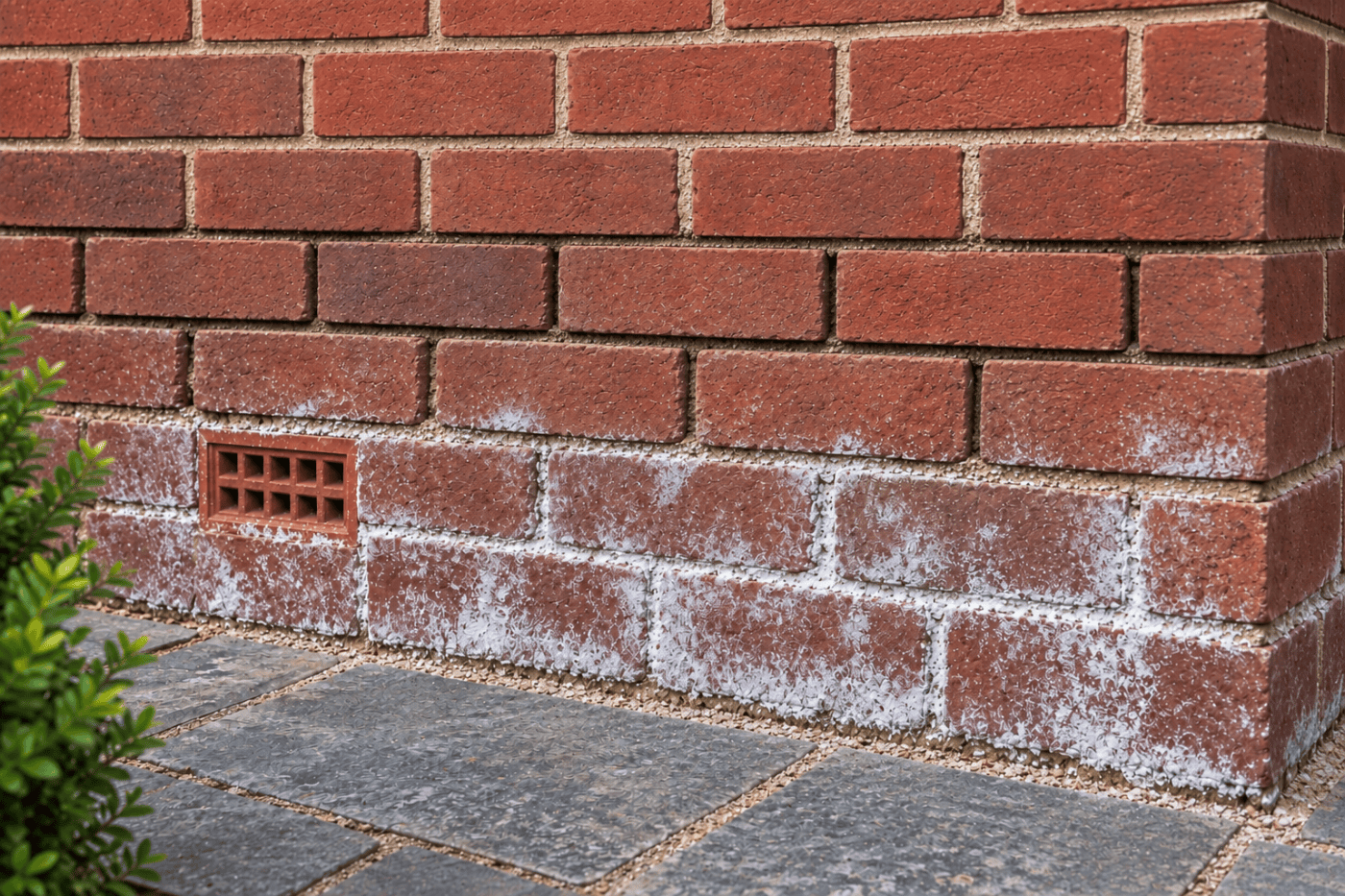
White powdery or crystalline deposits can form across bricks and mortar as moisture evaporates and leaves dissolved salts behind.
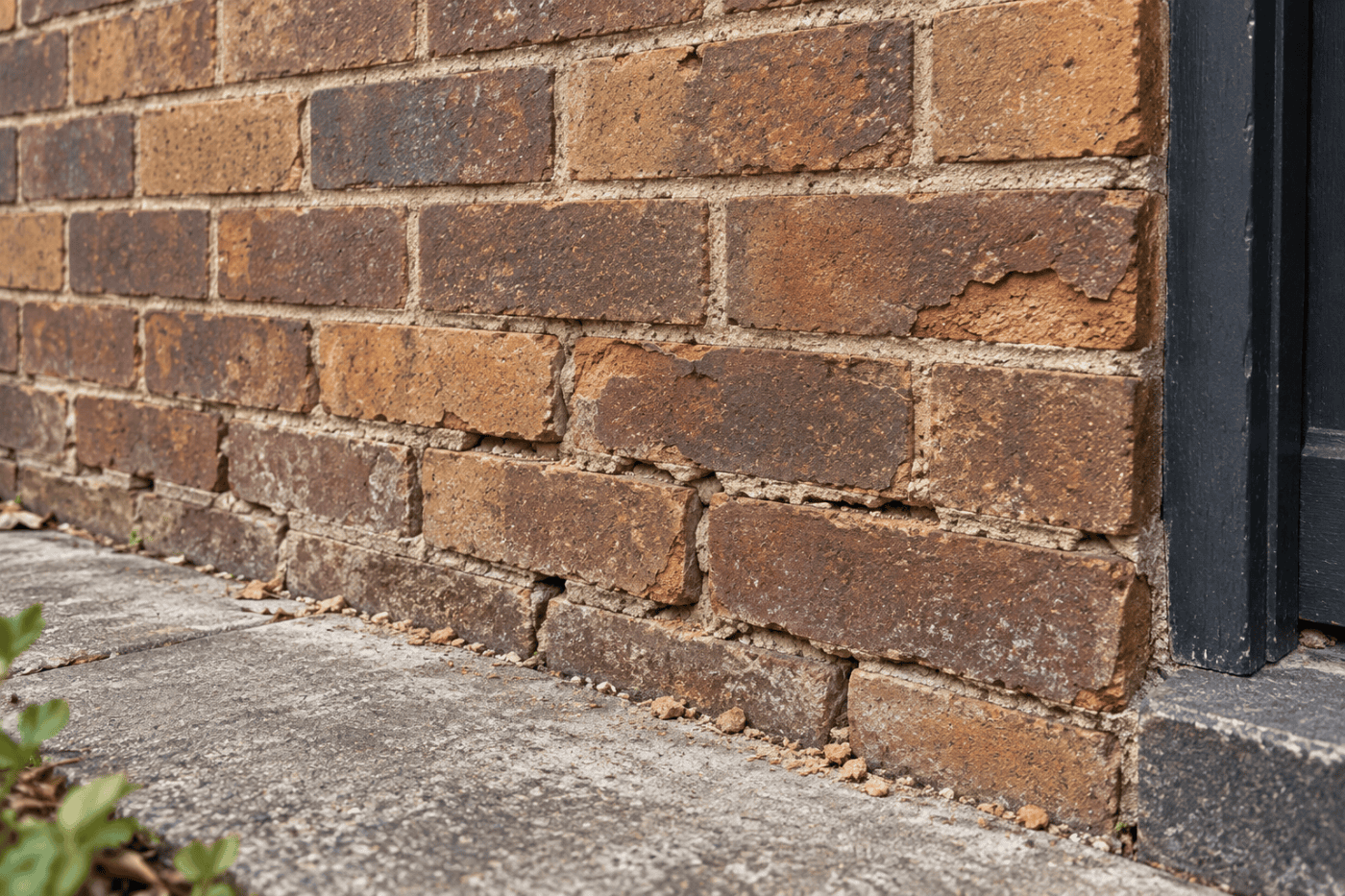
Repeated moisture and salt exposure can weaken mortar joints and cause brick faces to flake, crumble or break away.
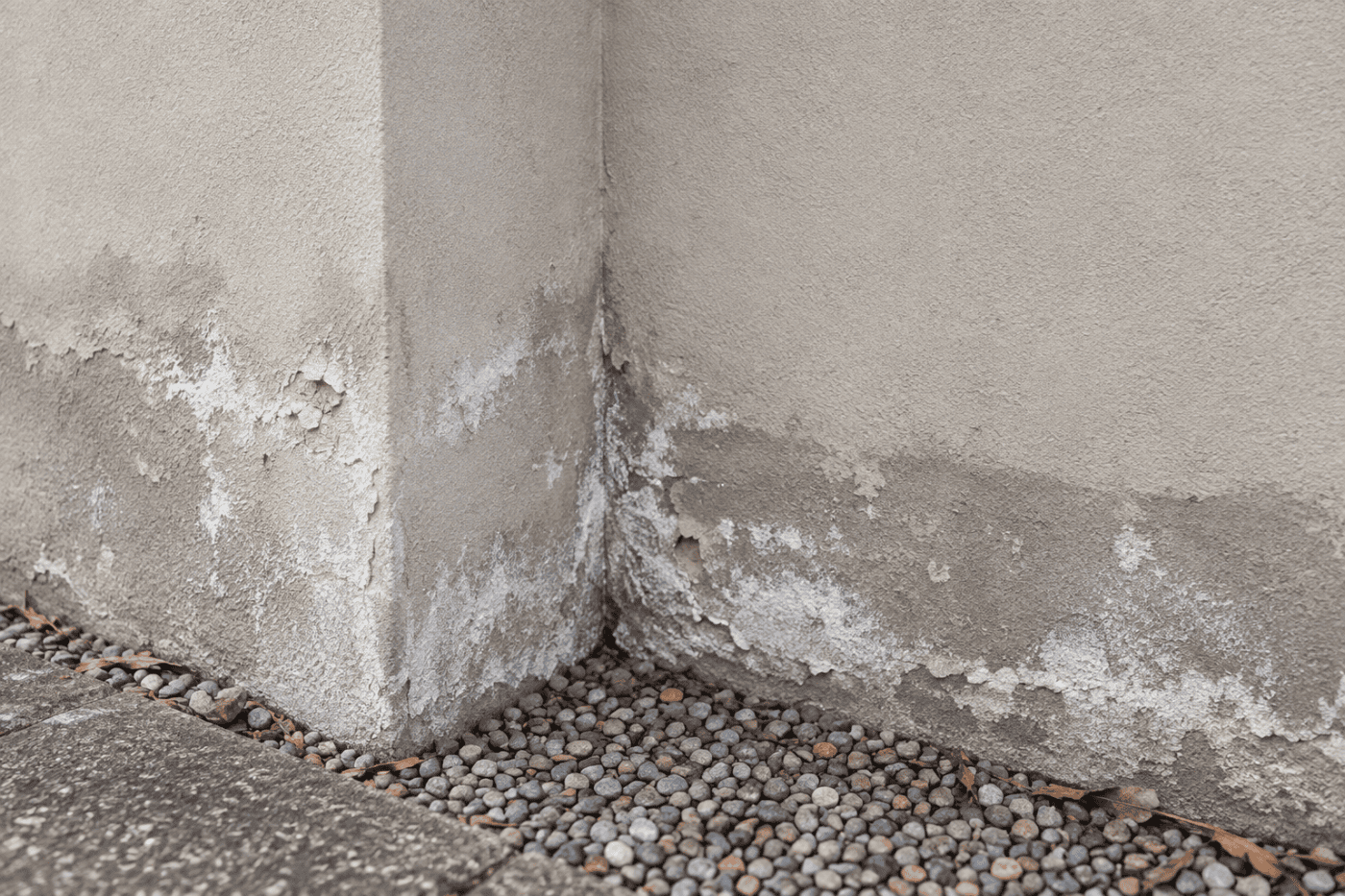
Rising moisture can leave a visible tide line on exterior render and cause salt deposits, staining, bubbling or deterioration along the base of the wall.
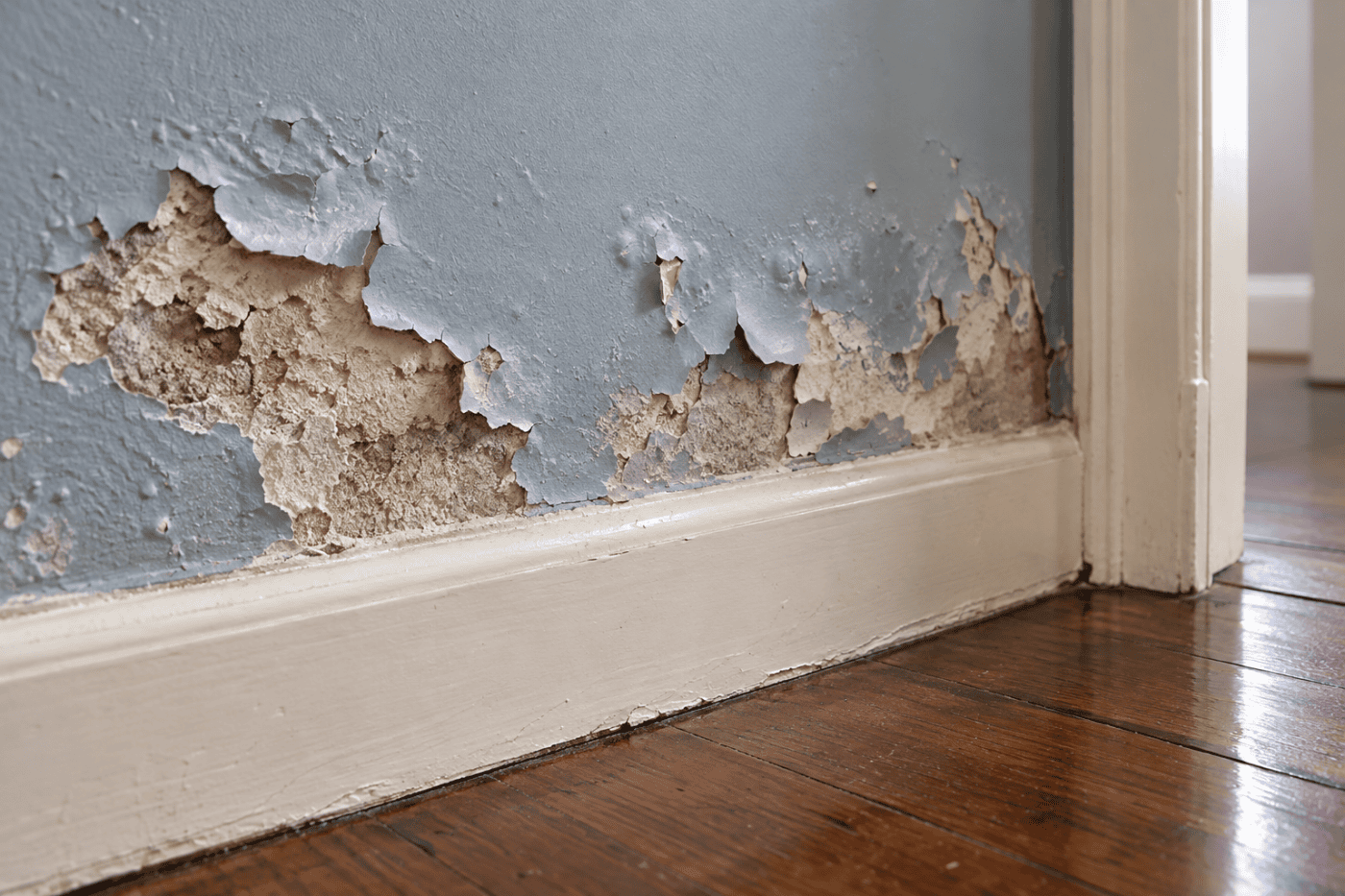
Moisture and salts behind the surface can cause paint to peel or blister and plaster to become soft, swollen or crumbly.
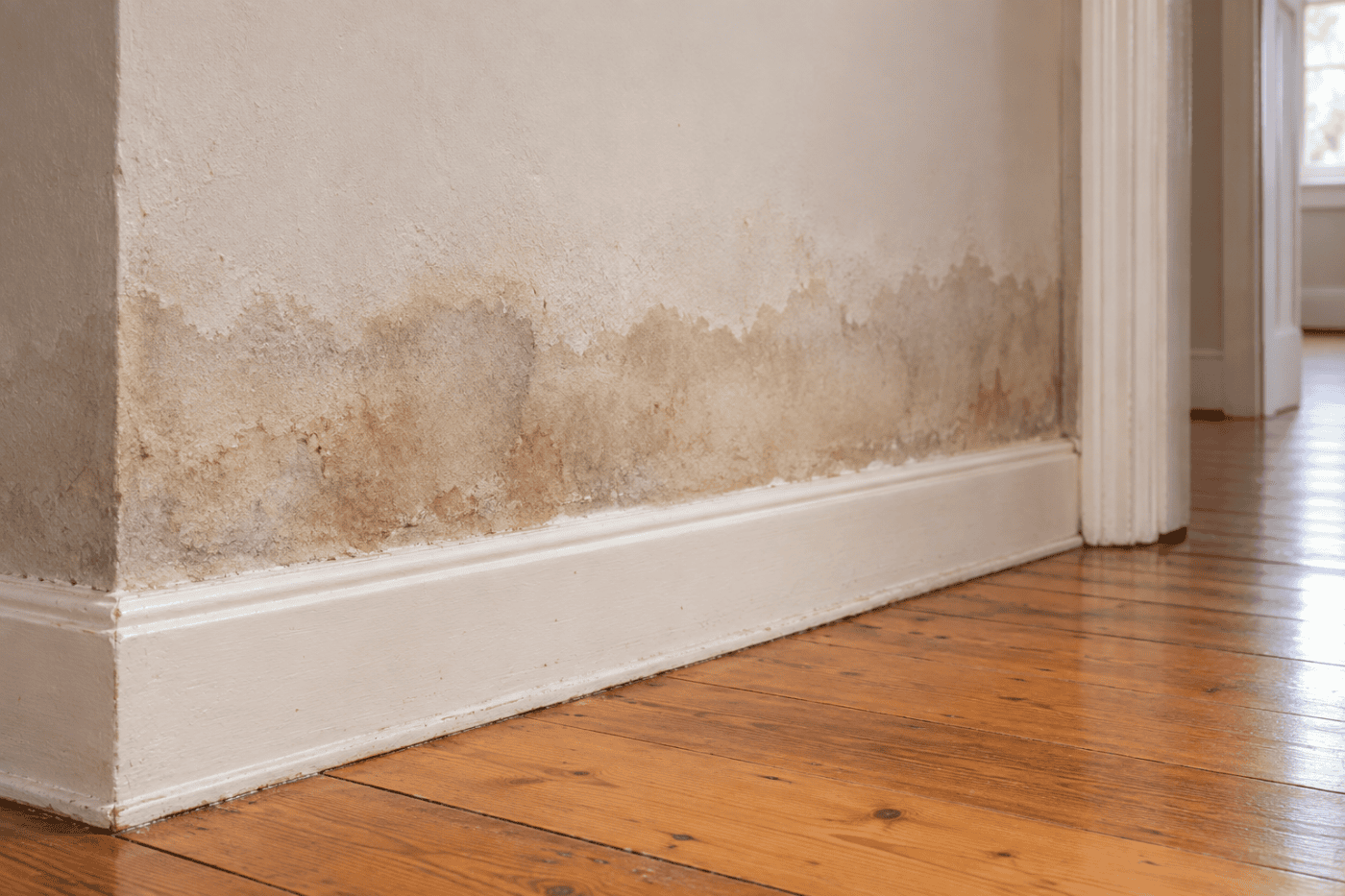
Damp or discoloured patches near the base of a wall may appear as darker areas or a visible tide mark.
These symptoms can also be caused by leaking pipes, water ingress, poor drainage or high external ground levels. An assessment is needed to determine whether rising damp is the source.
Examples of Rising Damp
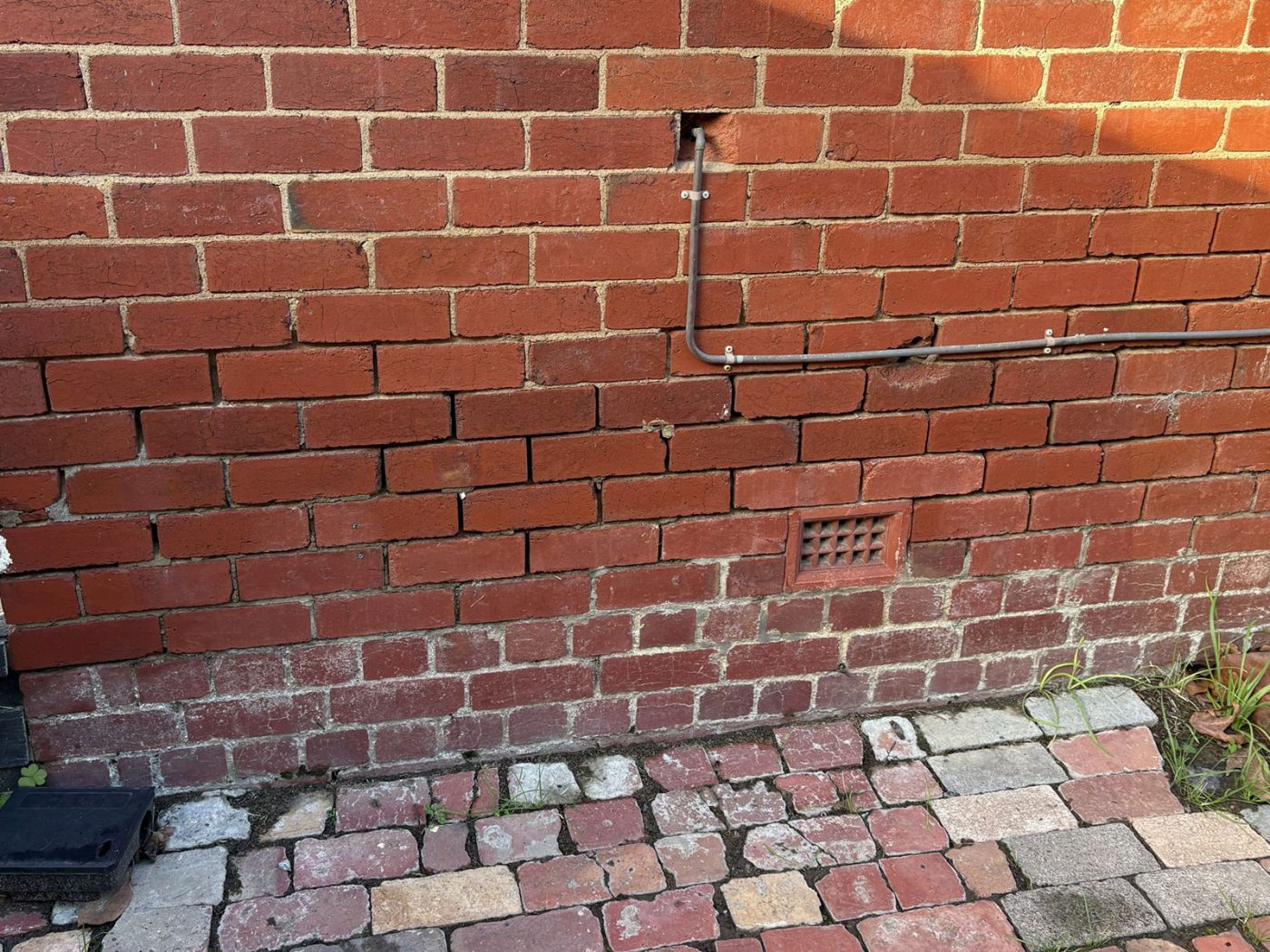
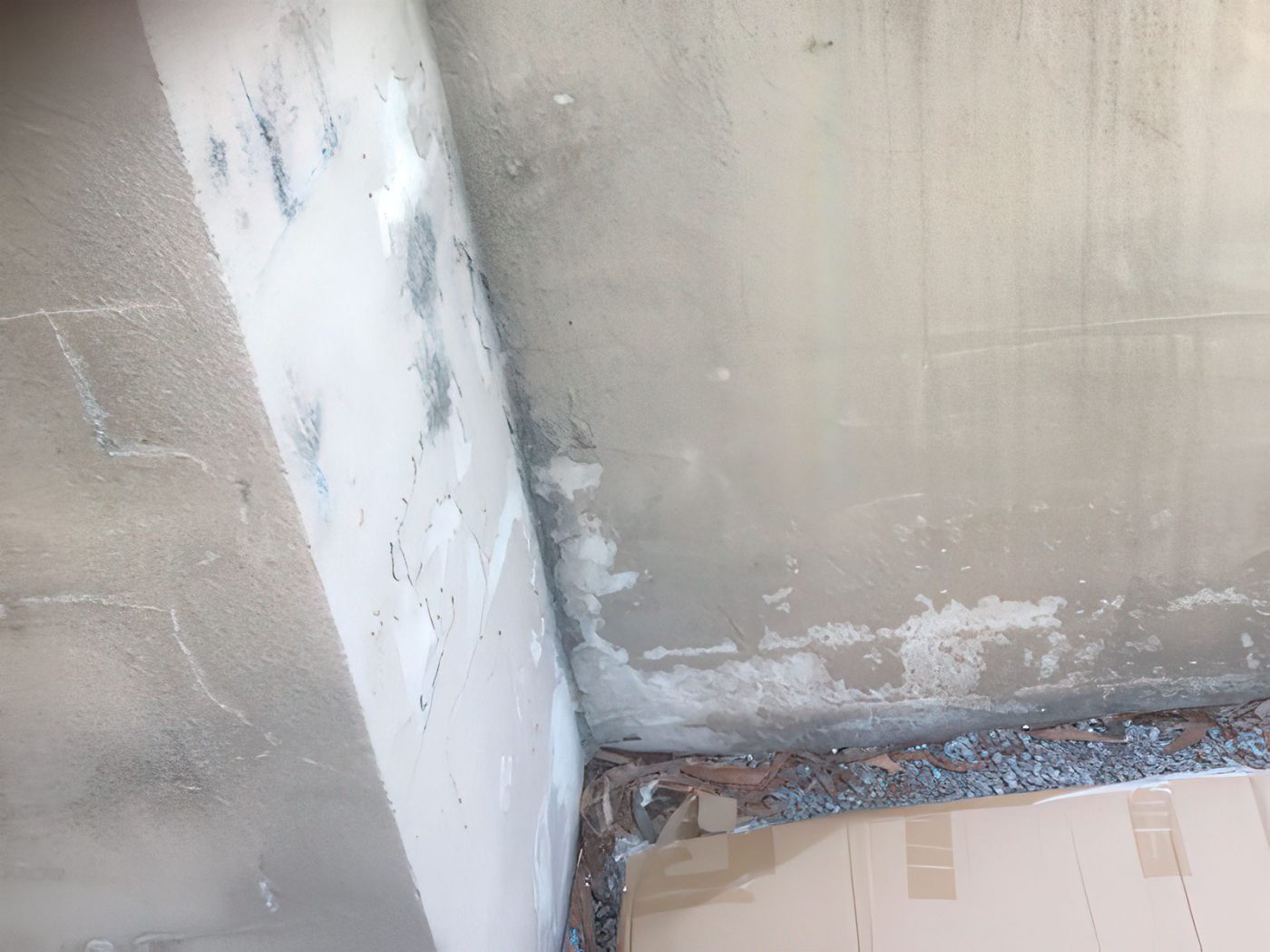
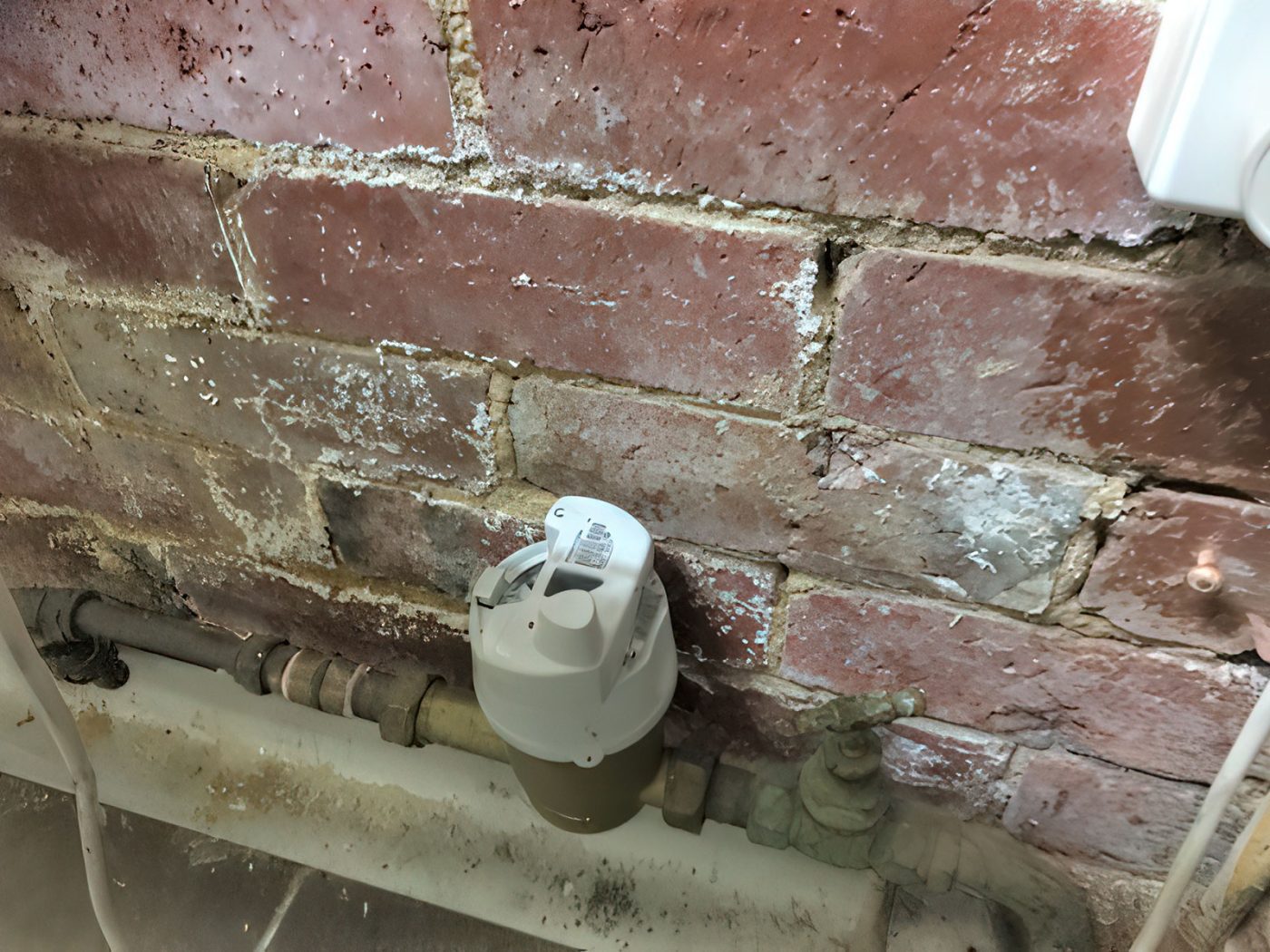
If you're seeing one or more of these signs, it's time to contact us
How We Fix Rising Damp
Where rising damp is confirmed, a chemical damp-proof course may be installed near the base of the wall to help prevent moisture from continuing to rise through the masonry. Once the moisture source has been addressed, salt-affected or deteriorated bricks, mortar, plaster and render may also require repair.
Our Service Area Includes:-
Melbourne's Eastern Suburbs, including Box Hill, Camberwell, Hawthorn, Balwyn, Surrey Hills, Doncaster, Glen Waverley and surrounding areas.