Problems We Solve
Cracked Walls
Cracking can be associated with foundation movement, changes within the masonry, moisture, drainage issues or movement within the building. In some cases, however, the damage may be limited to the surface and only requires a cosmetic repair.
What’s important is understanding why the wall has cracked before deciding how to repair it. Where movement has occurred within the masonry or foundations, the underlying cause should be considered as part of the overall repair.
Why Do Walls Crack?
Wall cracks can develop for a number of reasons, and the location, direction and size of the crack can help indicate what may be happening.
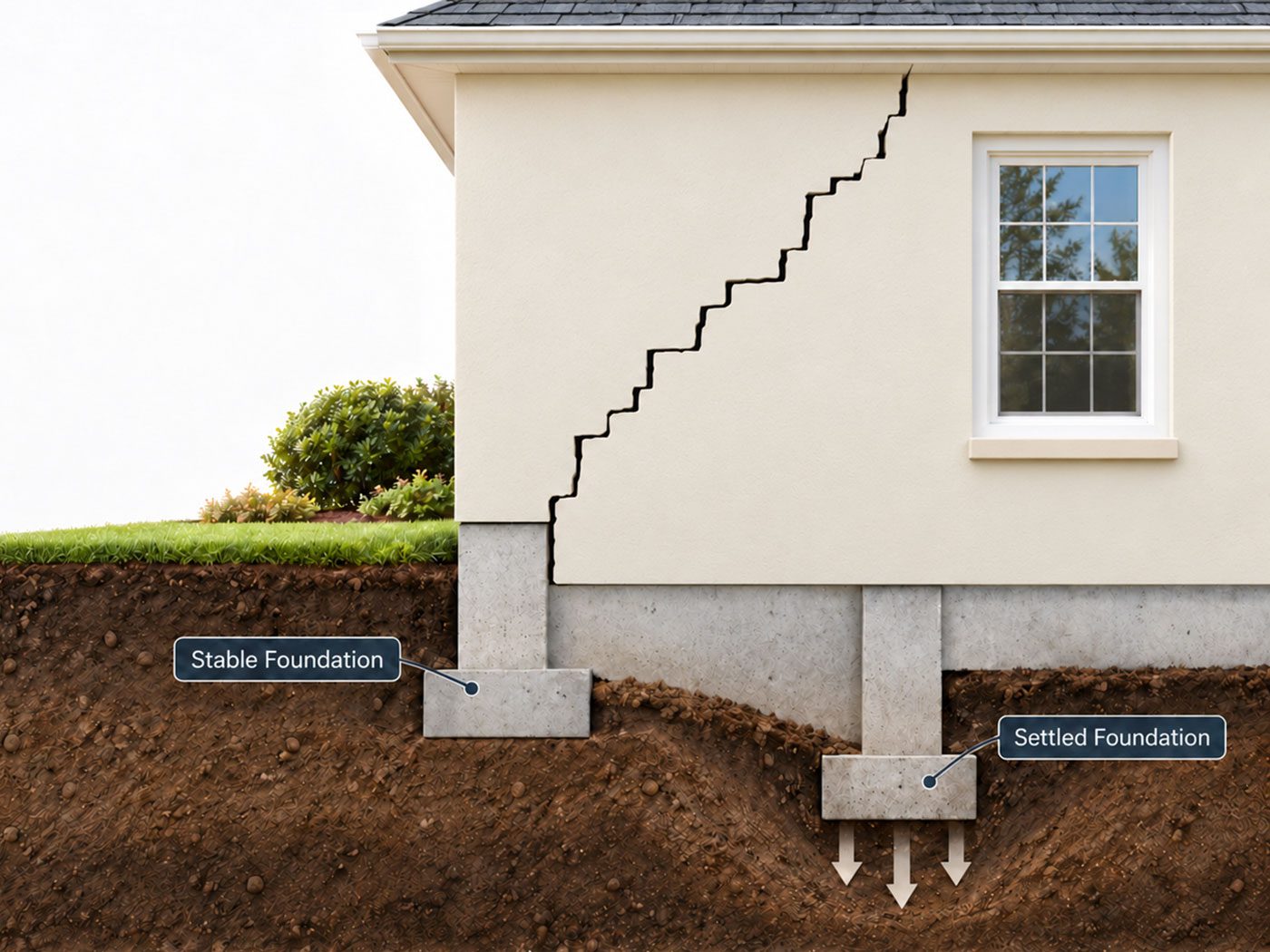
Foundation movement can place stress on the walls above when the soil beneath the footings moves.
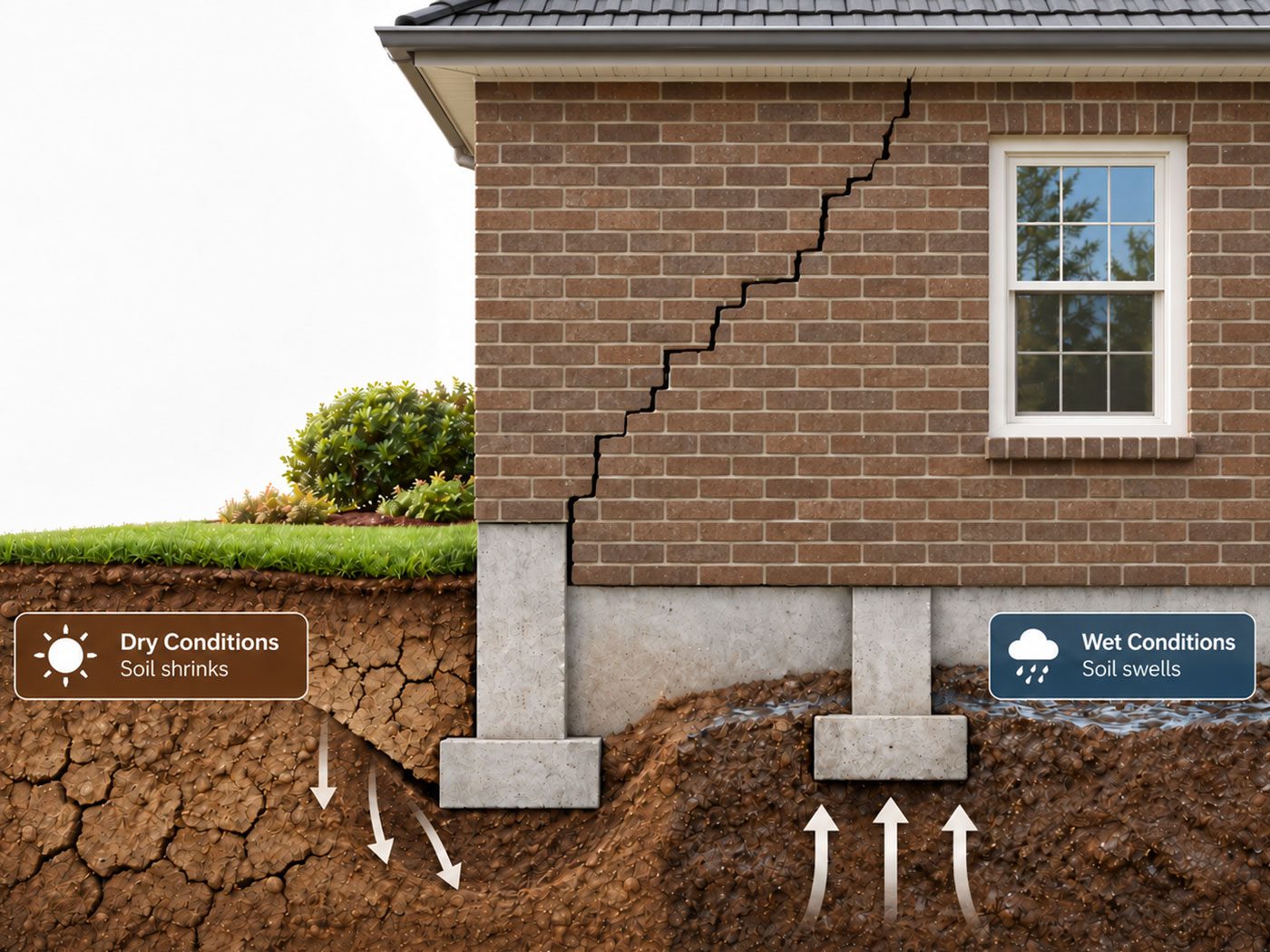
Seasonal soil movement can also contribute, particularly in reactive clay soils that shrink during dry periods and swell again as moisture levels increase.
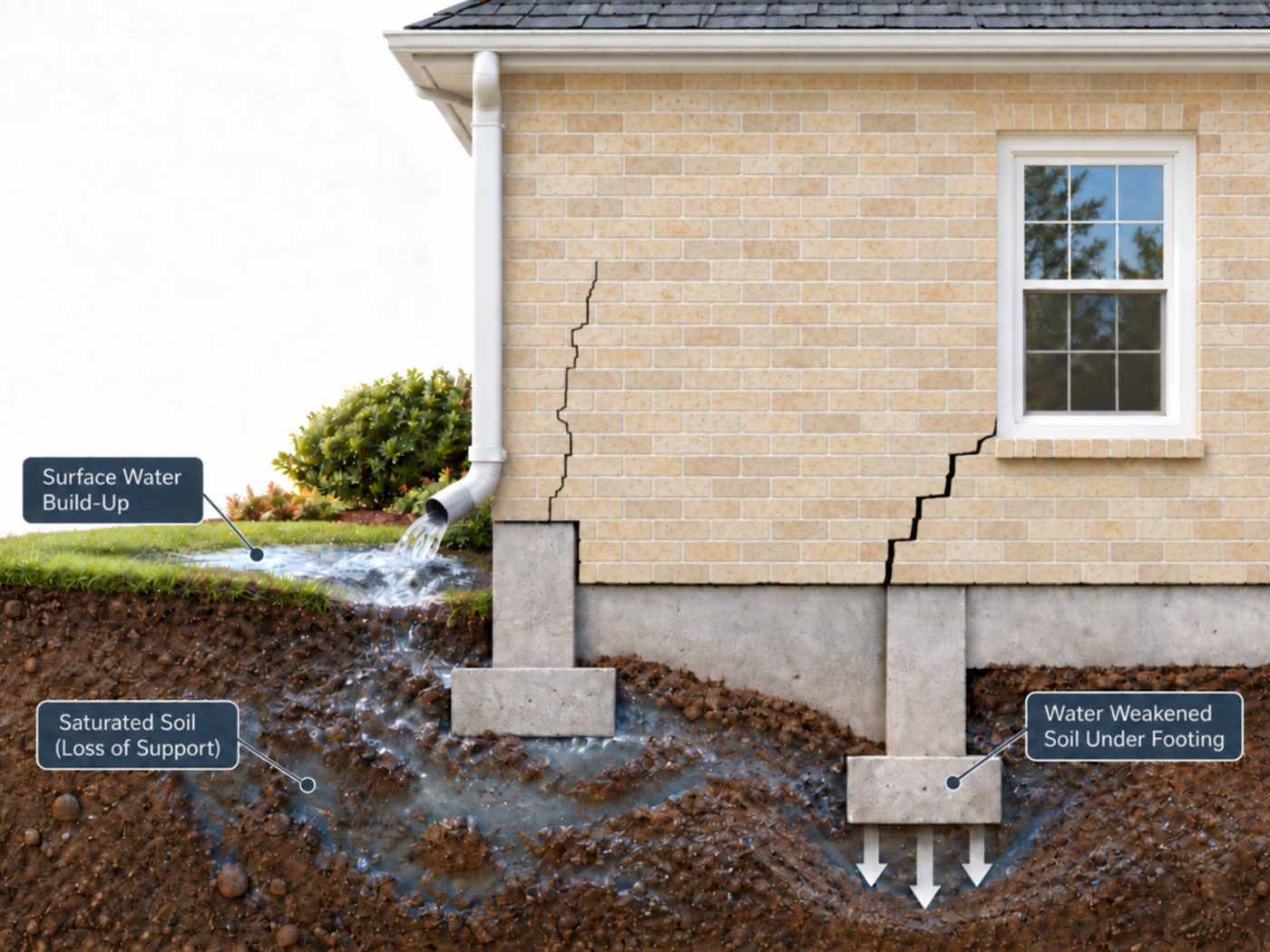
Water and poor drainage around the building can affect the soil beneath or beside the footings
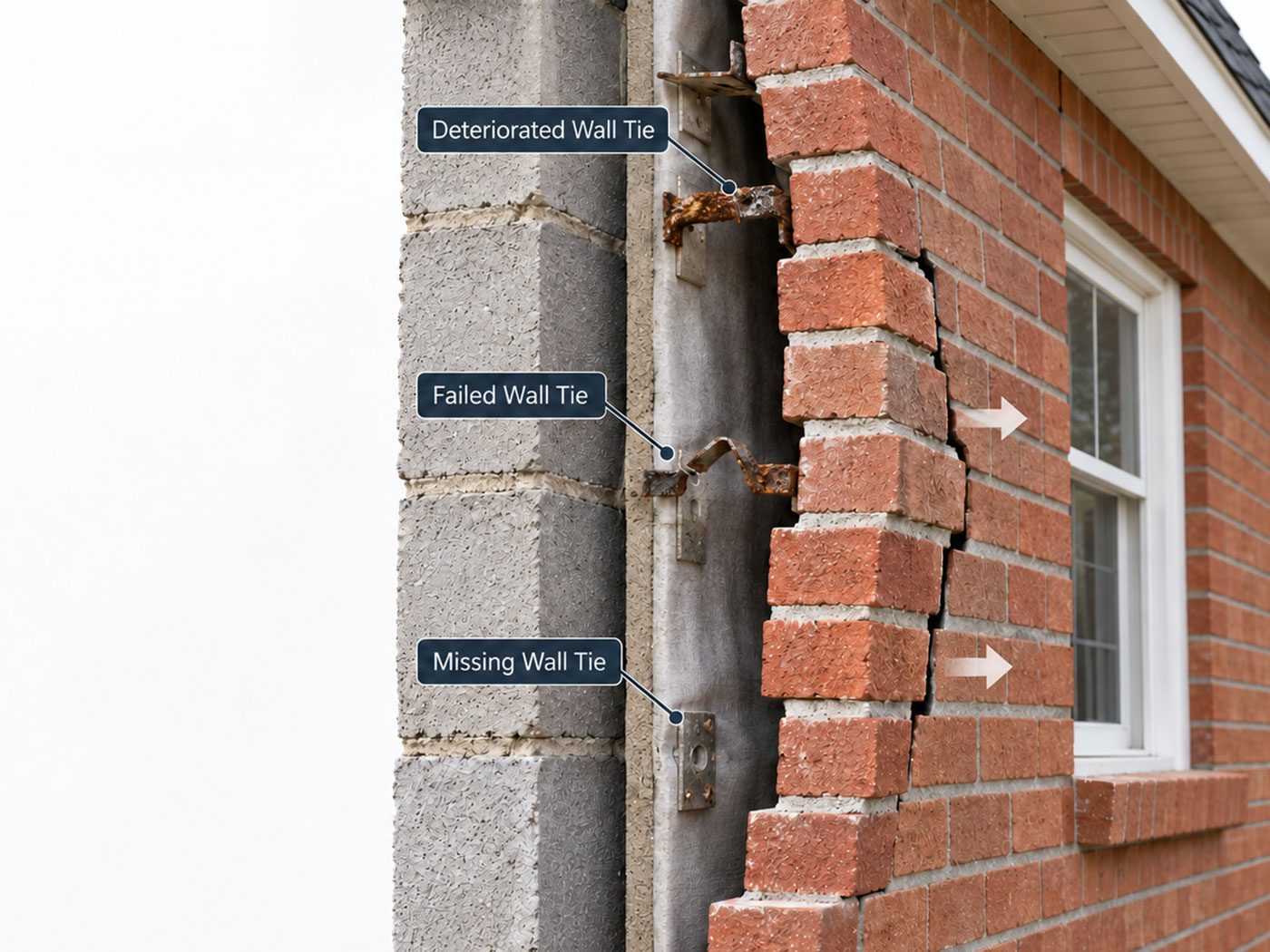
Wall-tie or support issues can allow sections of masonry to move independently if connections have deteriorated or are inadequate.
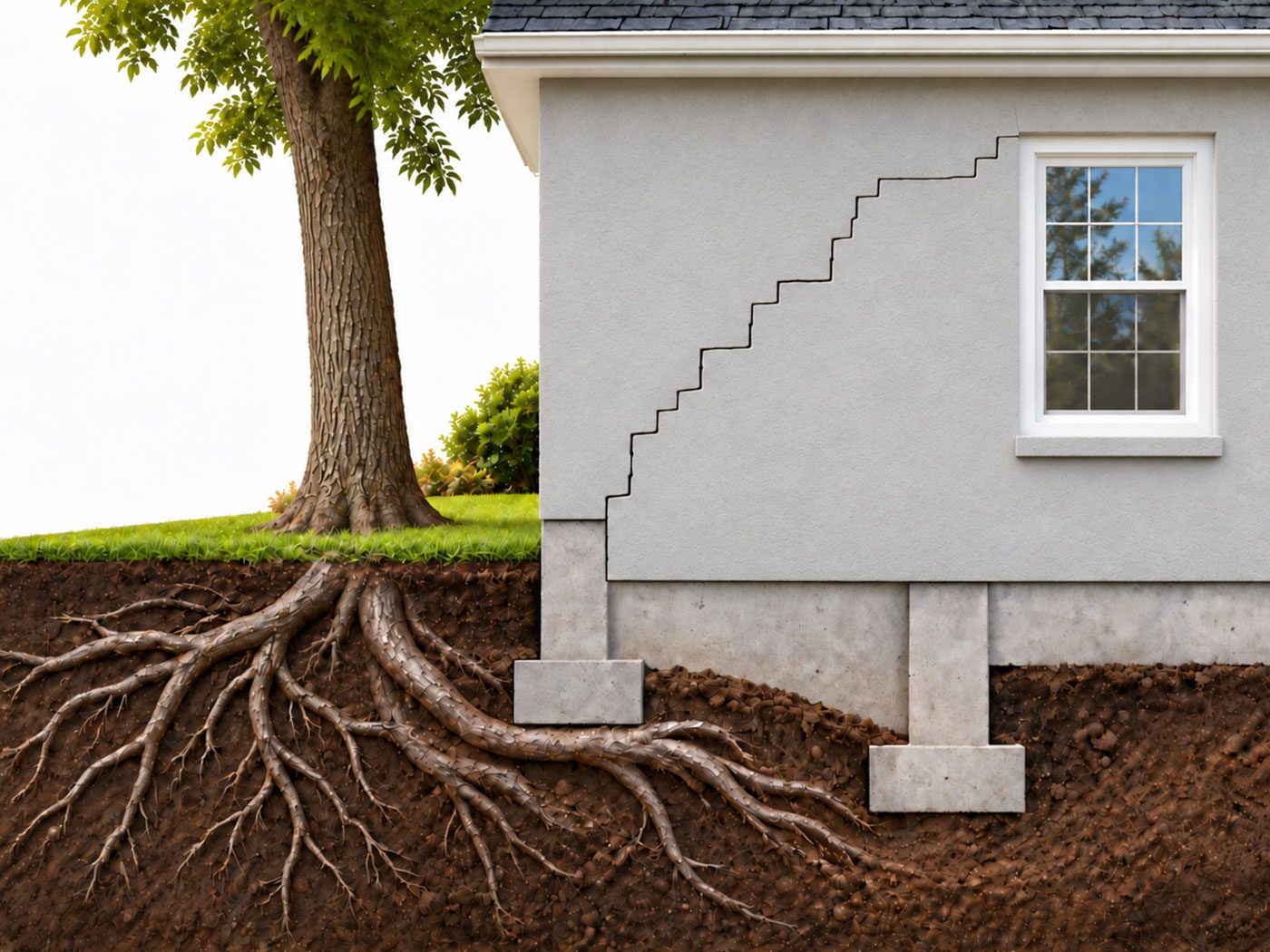
Tree roots can influence soil moisture levels and contribute to movement.
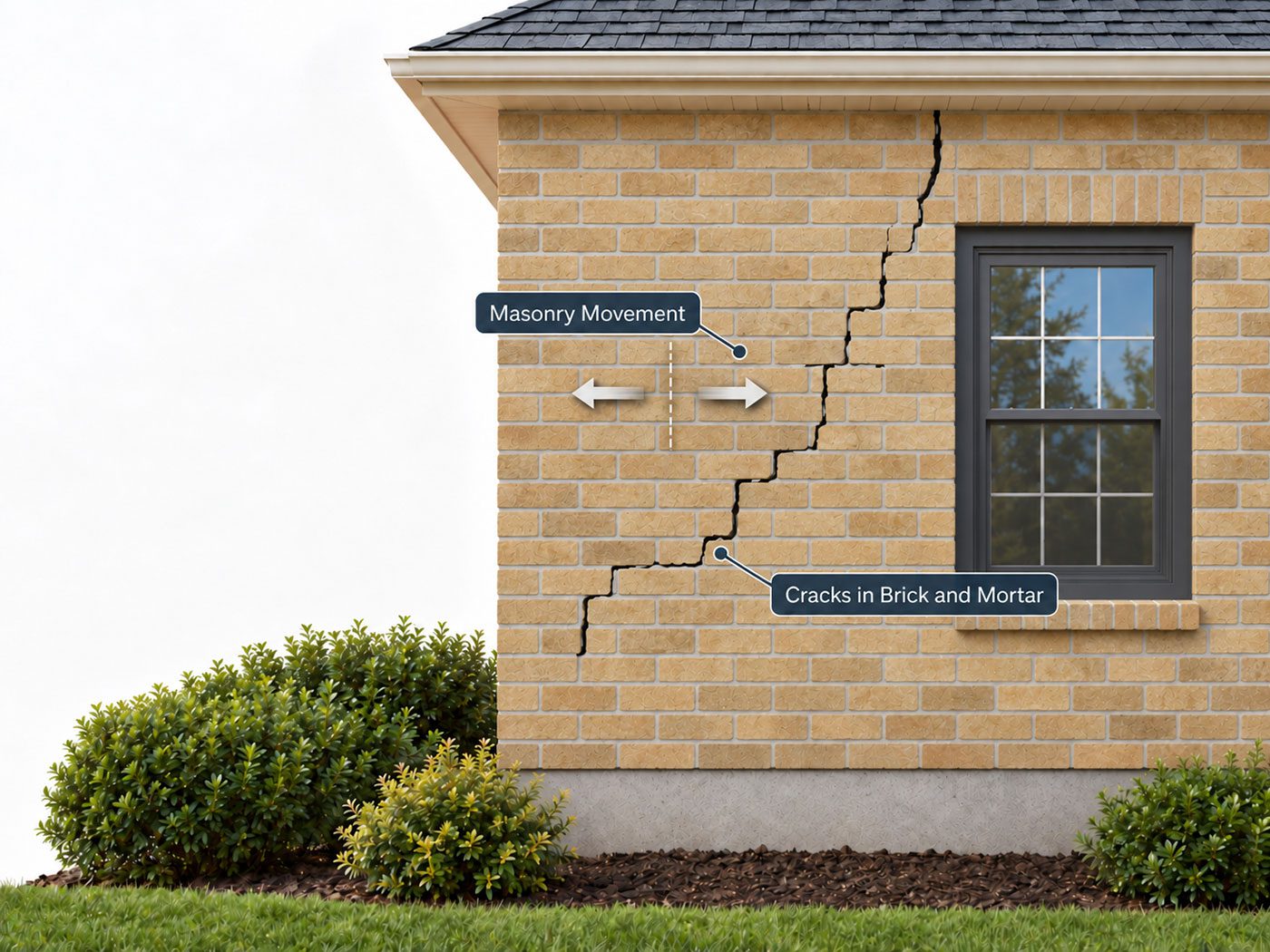
Movement within the masonry from expansion, contraction or deterioration can cause cracking through bricks and mortar joints.
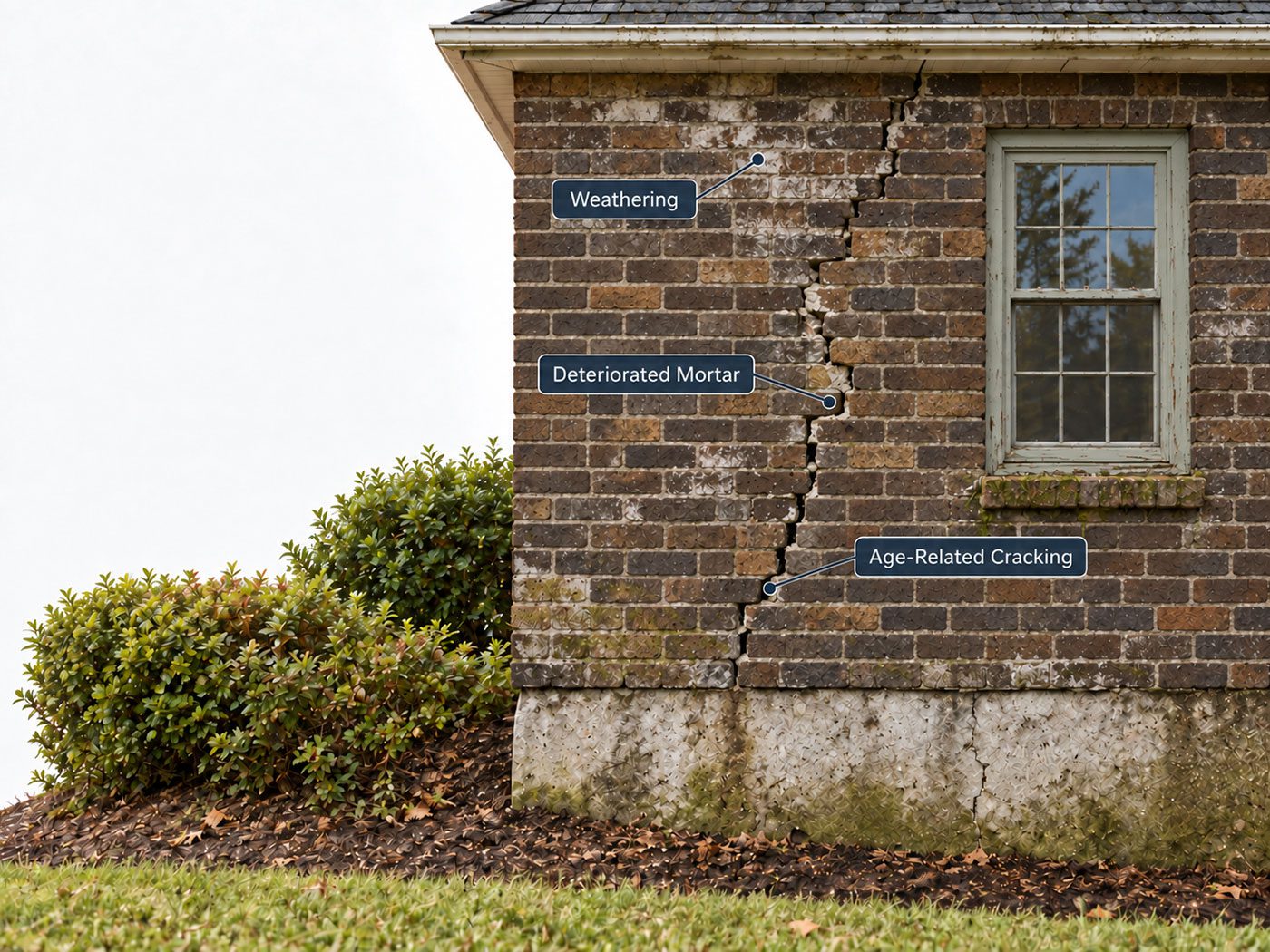
Age and deterioration can also play a part, particularly in older brickwork, mortar and building components.
What to watch for and examples of wall cracks
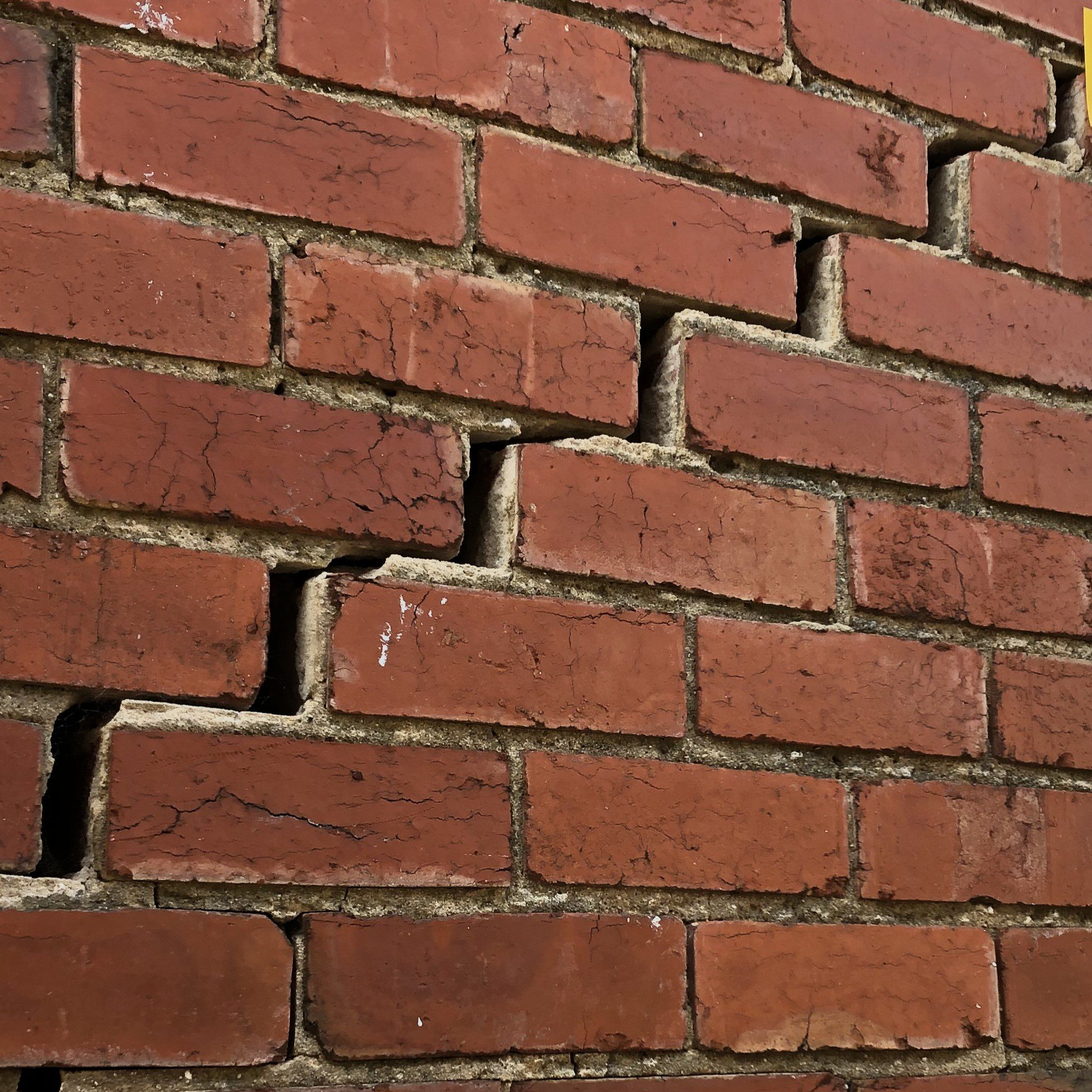
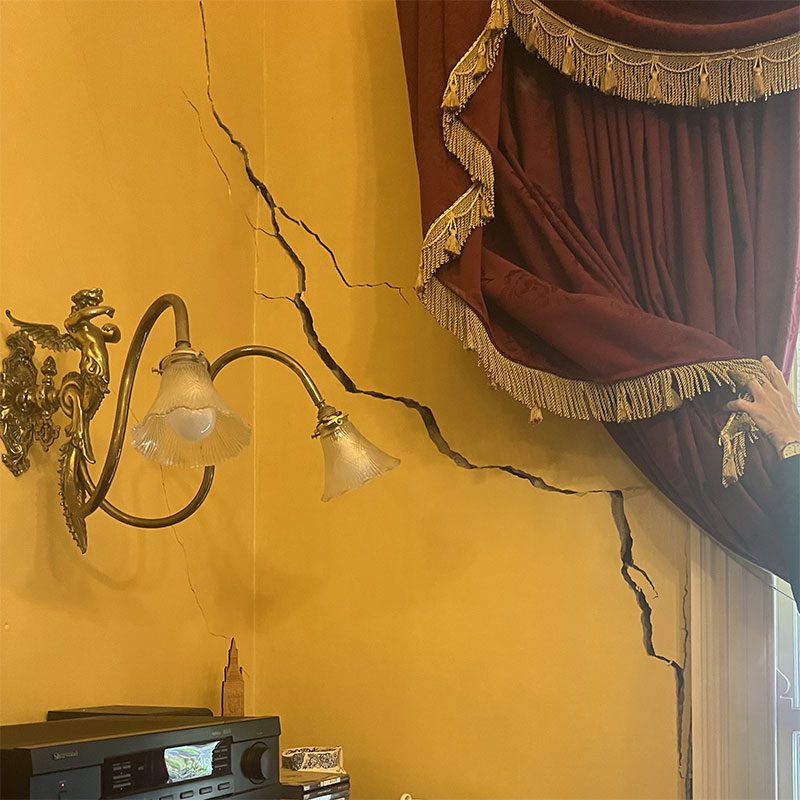
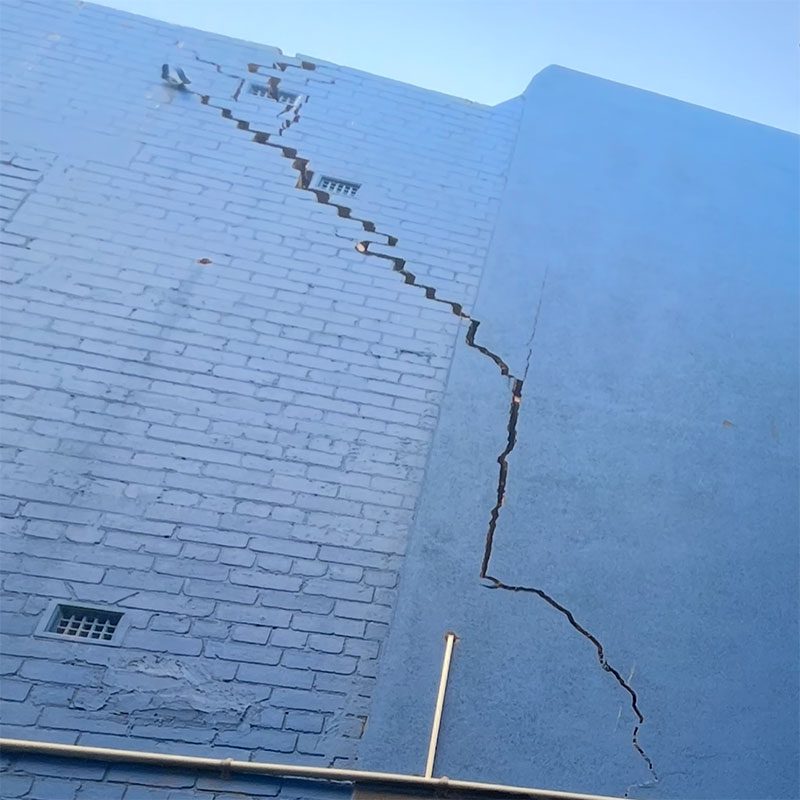
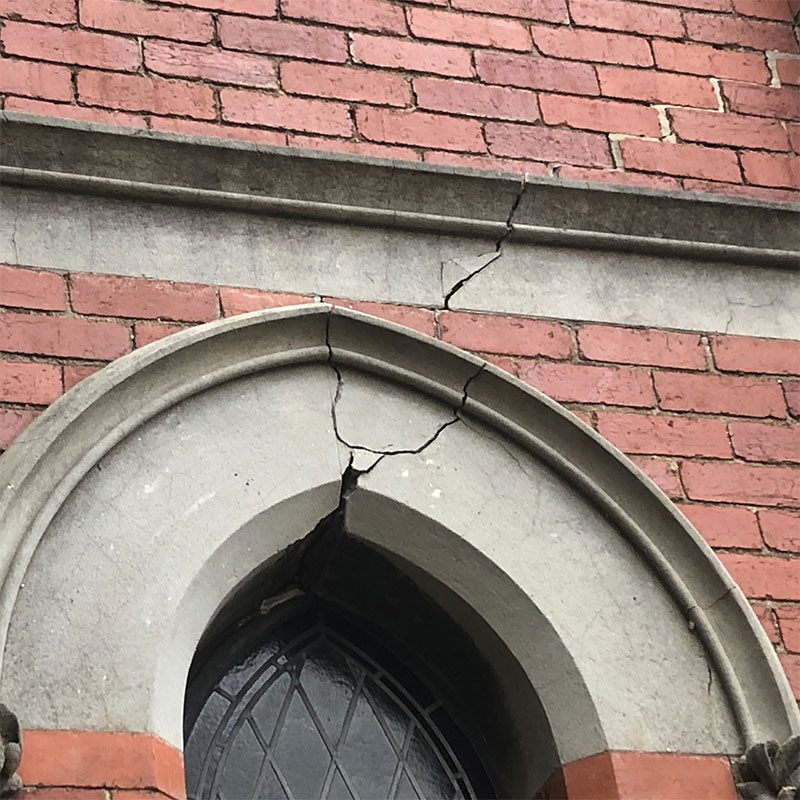
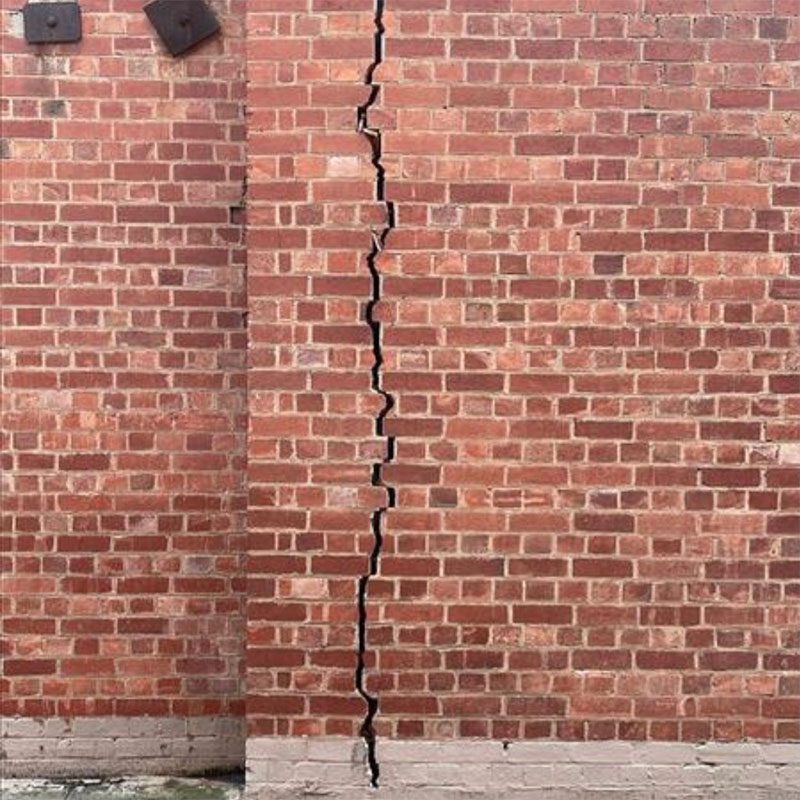
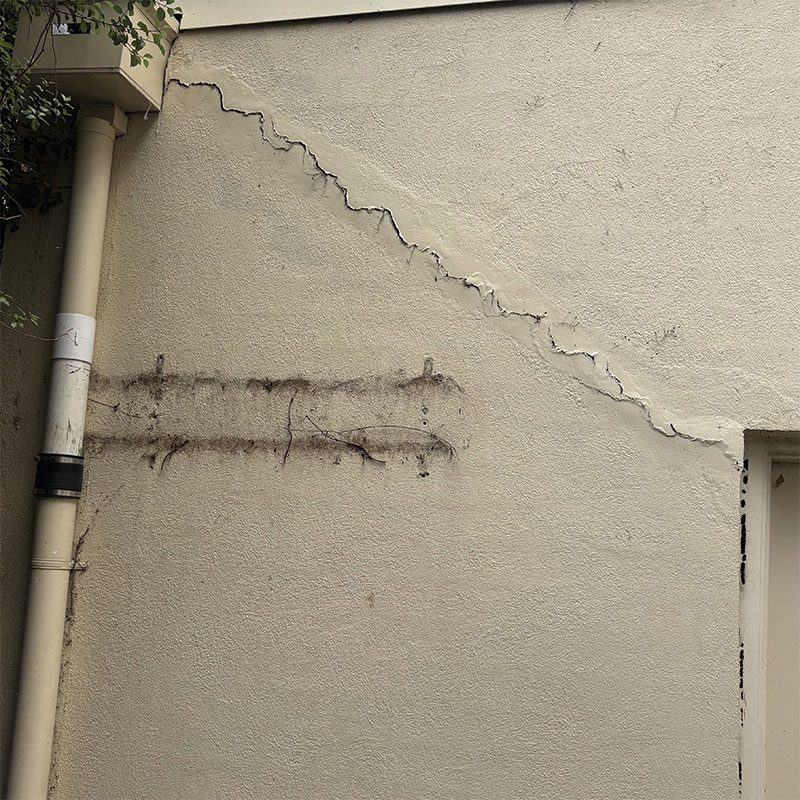
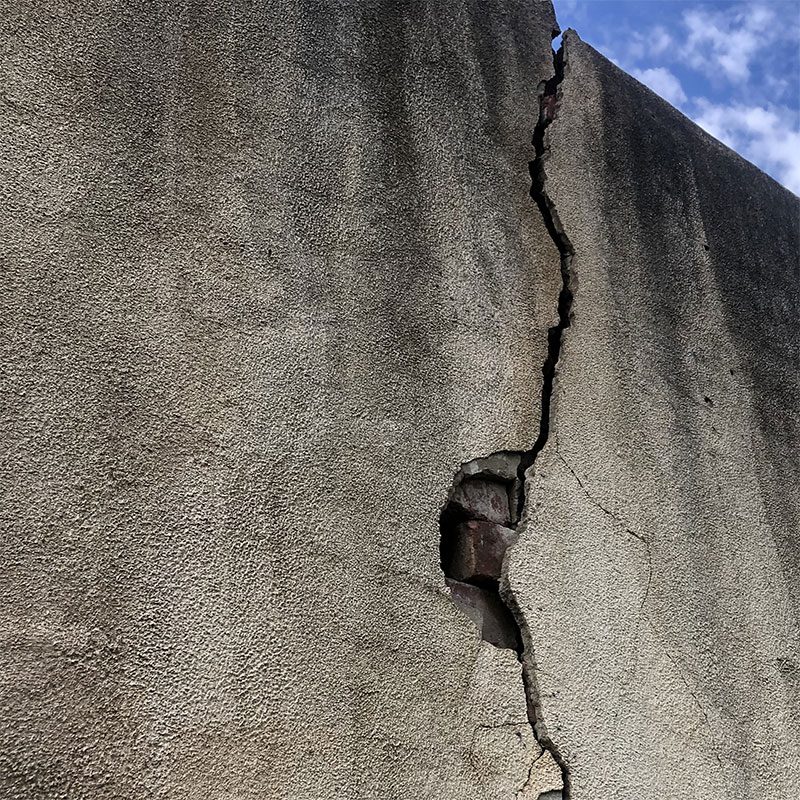
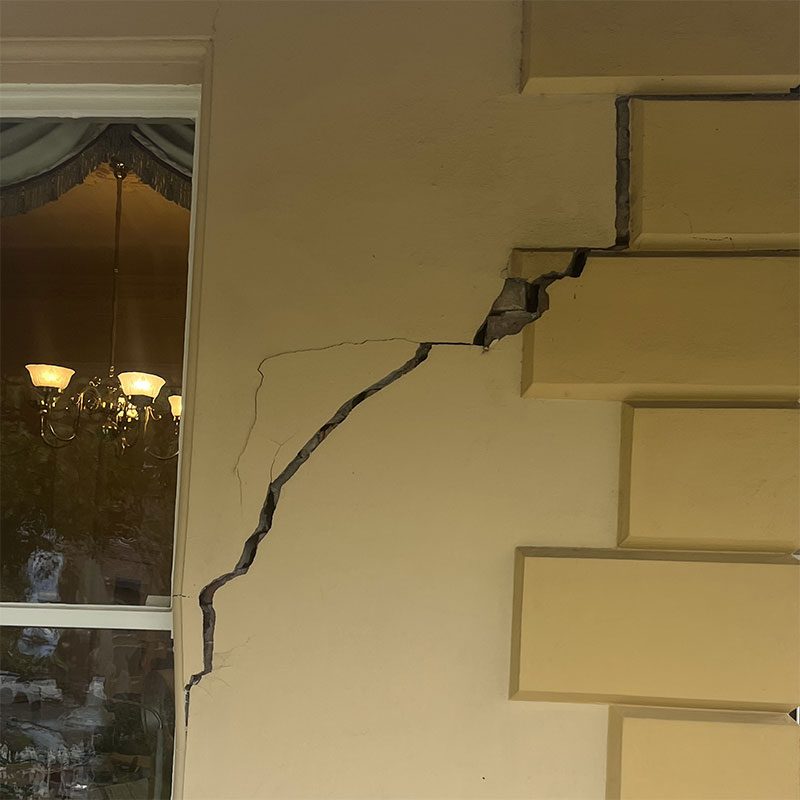
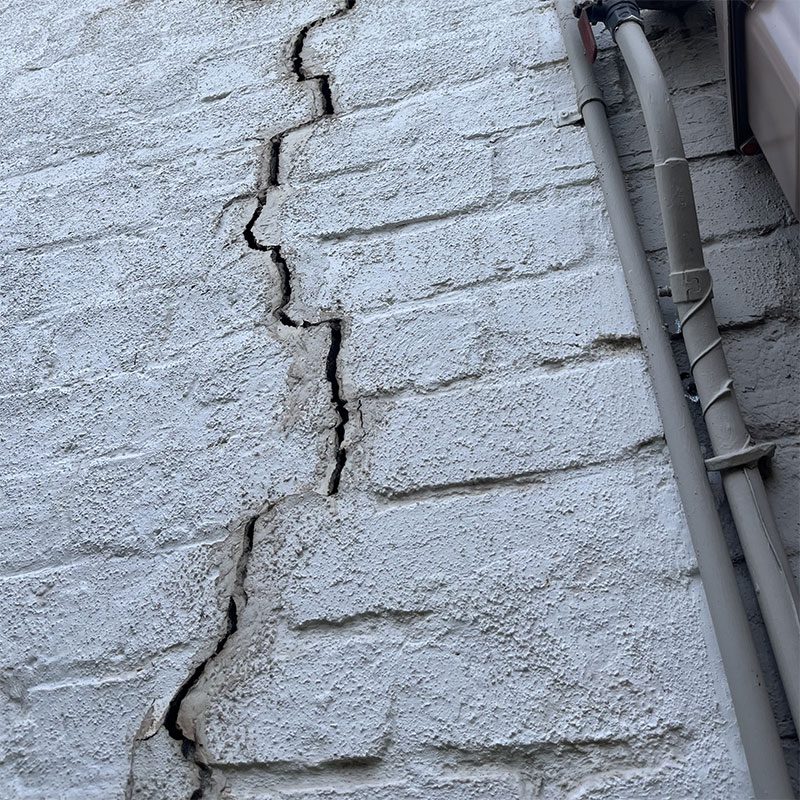
Stair-step, diagonal or horizontal cracks through brickwork or mortar joints can be a sign that the wall is under stress.
Cracks that continue to widen or reopen after being repaired may indicate ongoing movement.
Cracking around doors and windows, internal plaster cracks in the same area as external masonry cracking, sticking doors or windows, gaps around cornices or ceilings, and brickwork that appears loose, bulging or is beginning to separate can also be signs that further investigation is needed.
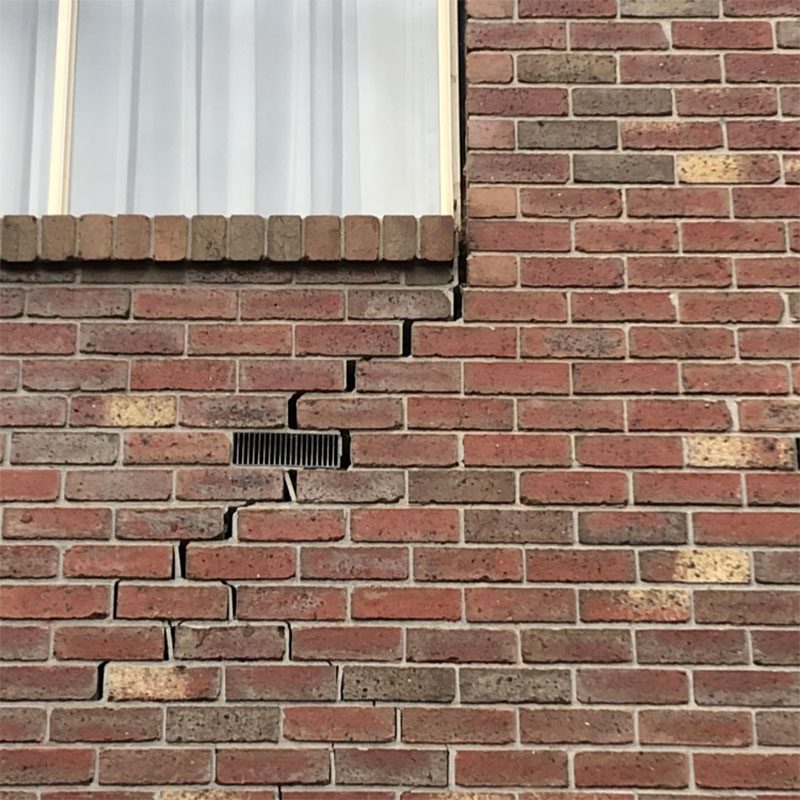
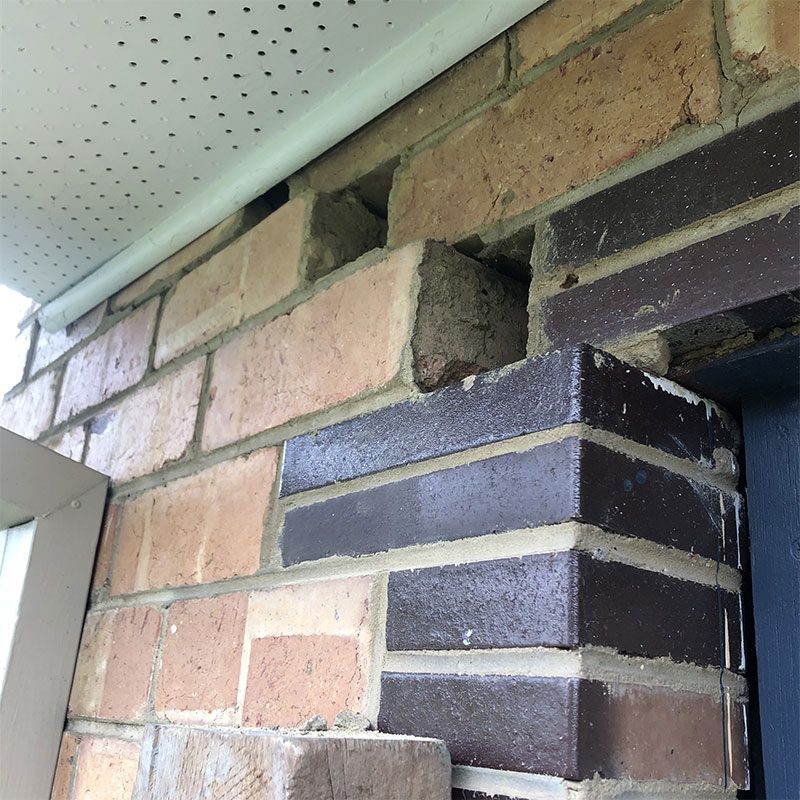
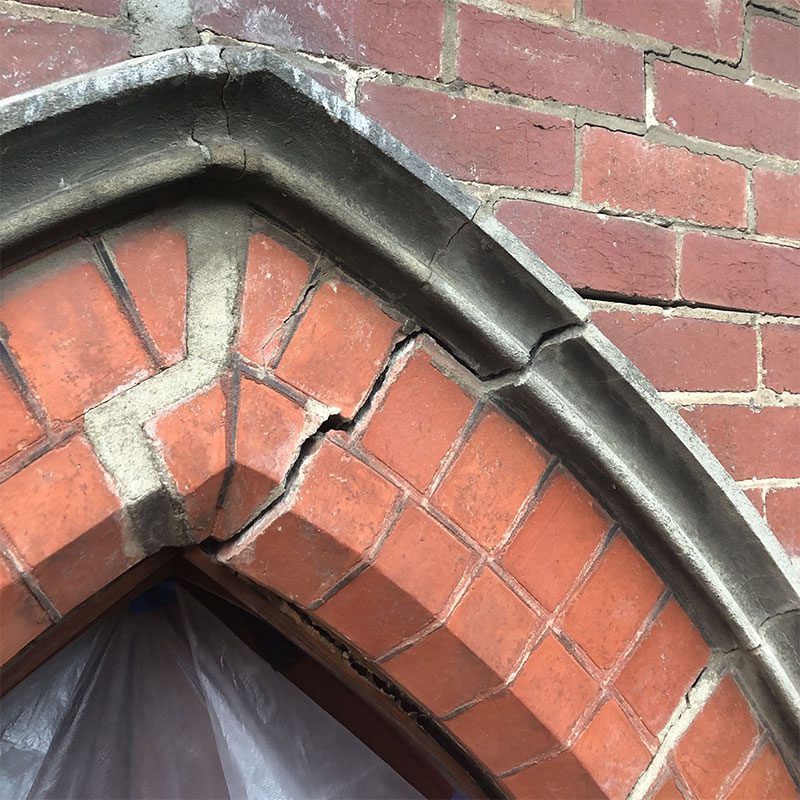
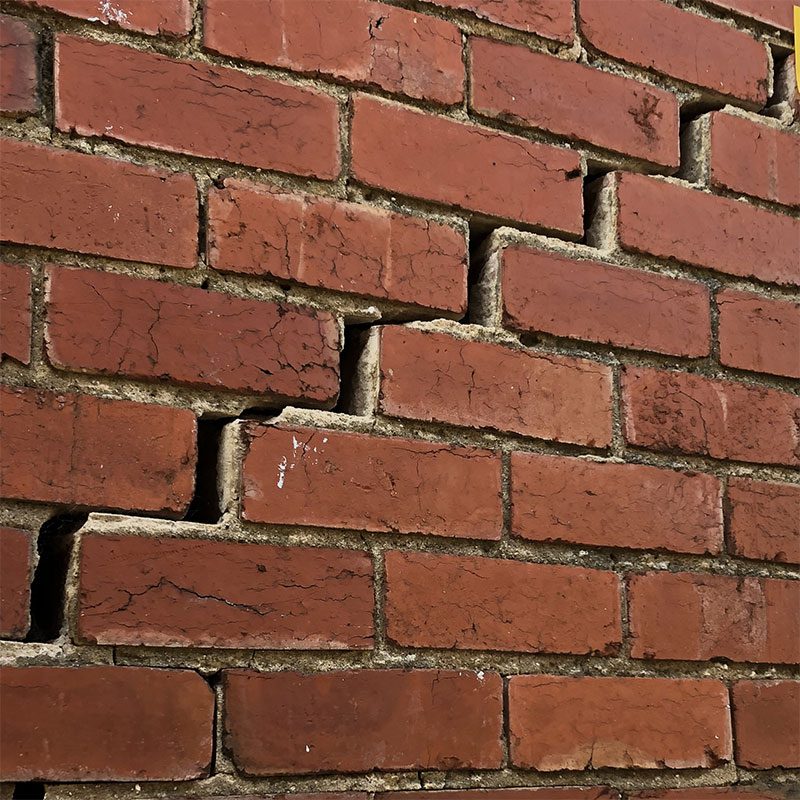
If you're seeing one or more of these signs, it's time to contact us
How We Fix Cracked Walls
Our first step is to determine what is causing the cracking and whether the masonry requires reinforcement. For suitable masonry cracks, stainless-steel helical reinforcing bars, commonly known as HeliBars, can be installed into existing mortar joints. The HeliBars and specialist grout work together to reconnect and reinforce the cracked masonry and distribute loads across the repaired area. This provides a strong, durable repair while retaining the existing wall.
Where foundation movement is contributing to the cracking, underpinning or foundation stabilisation may also be required by a qualified contractor. Our Propping, HeliBar and HeliTie remedial work can complement and enhance the results of underpinning by repairing and reinforcing the affected masonry above.
Learn more about our Wall Crack Solutions
Our Service Area Includes:-
Melbourne's Eastern Suburbs, including Box Hill, Camberwell, Hawthorn, Balwyn, Surrey Hills, Doncaster, Glen Waverley and surrounding areas.